
Bulking Up: Top Foods for Effective Bodybuilding
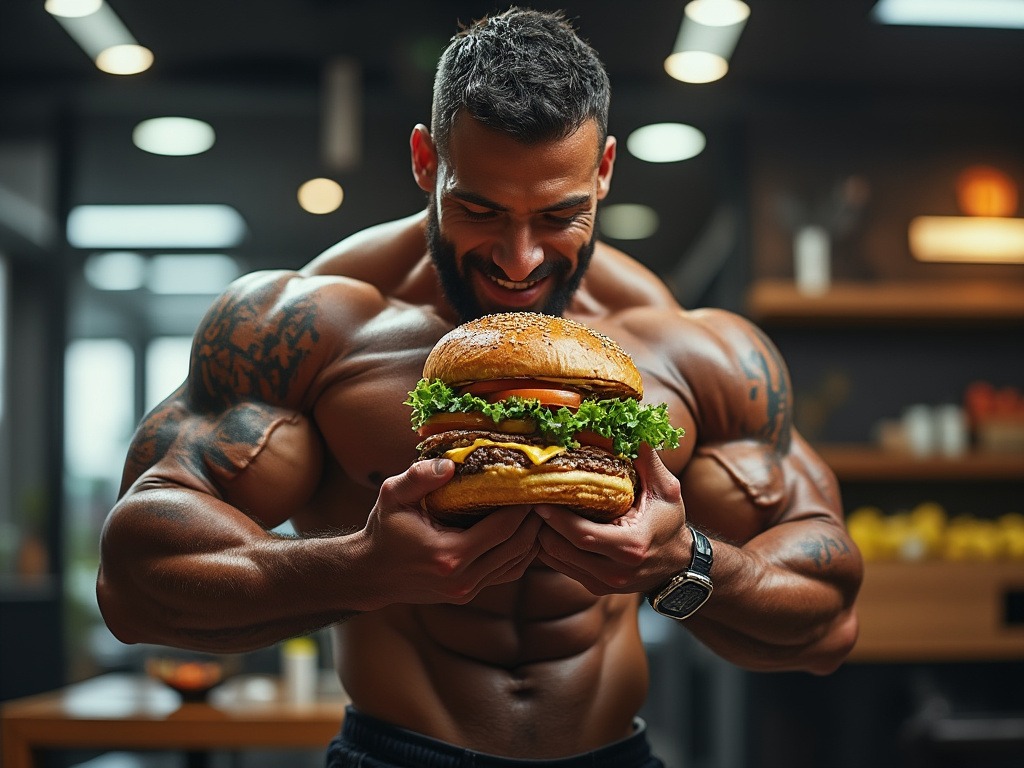
Bodybuilding isn’t just about lifting weights; it’s also about fueling your body correctly to support muscle growth and recovery. Bulking, or the process of eating in a caloric surplus to gain muscle mass, requires strategic meal planning. Here’s a guide to the best foods for bulking that will help you gain lean muscle without piling on unnecessary fat.
Best Foods For Bulking in a Bodybuilding Diet
1. Lean Proteins
Proteins are the building blocks of muscle. When bulking, your protein intake should be high to repair and build new muscle tissue.
- Chicken Breast: Lean, versatile, and packed with protein. Aim for skinless to cut down on fat.
- Turkey: Similar to chicken, turkey provides a high amount of protein per serving and is often available in ground form for easy meal prep.
- Fish: Salmon, tuna, and cod are excellent sources of protein, omega-3 fatty acids, which aid in muscle recovery and overall health.
- Lean Beef: Offers not just protein but also creatine, which can enhance workout performance and muscle mass gains.
2. Complex Carbohydrates
Carbohydrates fuel your workouts and replenish glycogen stores post-exercise.
- Brown Rice: A staple for bodybuilders due to its slow-digesting nature, keeping energy levels stable.
- Quinoa: Contains all nine essential amino acids, making it a great carb source that also contributes to protein intake.
- Oats: Oatmeal provides long-lasting energy, fiber, and can be flavored in multiple ways to keep your diet interesting.
- Sweet Potatoes: Rich in vitamins and fiber, sweet potatoes are perfect for a nutritious carb load.
3. Healthy Fats
Fats are crucial for hormone production, particularly testosterone, which is vital for muscle growth.
- Avocados: High in monounsaturated fats, fiber, and potassium, which can help with muscle cramps.
- Nuts and Seeds: Almonds, walnuts, chia seeds, and flaxseeds are great for snacking and salad toppings.
- Olive Oil: Use for cooking or dressings. It’s rich in antioxidants and healthy monounsaturated fats.
4. Dairy and Dairy Alternatives
Dairy products are not only good for protein but also provide calcium for bone health.
- Greek Yogurt: High in protein, probiotics, and can be used for both sweet and savory dishes.
- Cottage Cheese: Low in fat, high in casein protein, ideal for a slow-digesting protein source before bed.
- Almond Milk: For those avoiding dairy, almond milk is a good alternative, especially if fortified with vitamins and minerals.
5. Vegetables and Fruits
These are essential for micronutrients which support metabolic functions and recovery.
- Broccoli, Spinach, Kale: Leafy greens are loaded with vitamins, minerals, and fiber, helping in digestion and overall health.
- Berries: Blueberries, strawberries, etc., provide antioxidants which can help in reducing muscle soreness and inflammation.
6. Supplemental Foods
While whole foods ought to be your primary source for nutrients, nonetheless, some supplemental foods can also be beneficial in supporting your dietary needs.
- Protein Shakes: Convenient for hitting daily protein goals. Opt for whey for post-workout or casein for slow digestion.
- Peanut Butter: A great addition for calories, healthy fats, and protein, perfect for smoothies or as a toast spread.
Tips for Bulking:
- Caloric Surplus: Ensure you’re eating more calories than you burn. Use a TDEE calculator to estimate your needs.
- Meal Frequency: Eating more frequent, smaller meals can help manage hunger and keep metabolism active.
- Hydration: Water is crucial for nutrient transport and muscle growth. Stay hydrated.
Incorporating these foods into your diet can significantly enhance your bulking phase, leading to noticeable muscle gains. Remember, the quality of calories is as important as the quantity. Focus on nutrient-dense foods to ensure your body gets the best possible materials to build muscle. Combine this with a solid workout regimen, and you’ll be on your way to achieving your bodybuilding goals.
More Diet
 Diet
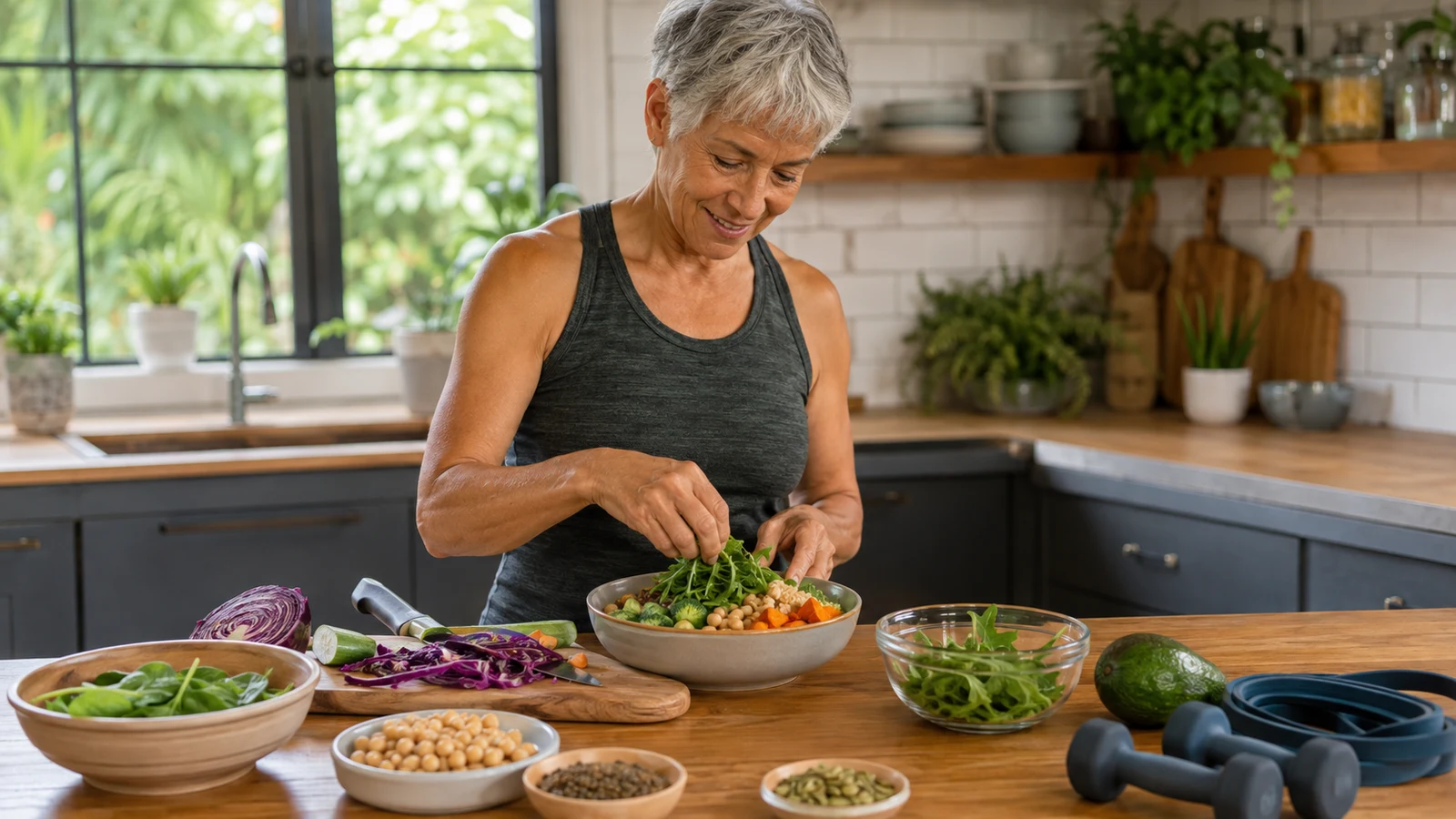
DietVegan Diet, Muscle Loss, and Resistance Training in Older Adults: New Trial
In a 12-week trial, a self-selected vegan diet reduced protein intake and muscle measures in adults over 65. Resistance training mitigated, but did not erase, the losses.
 Diet
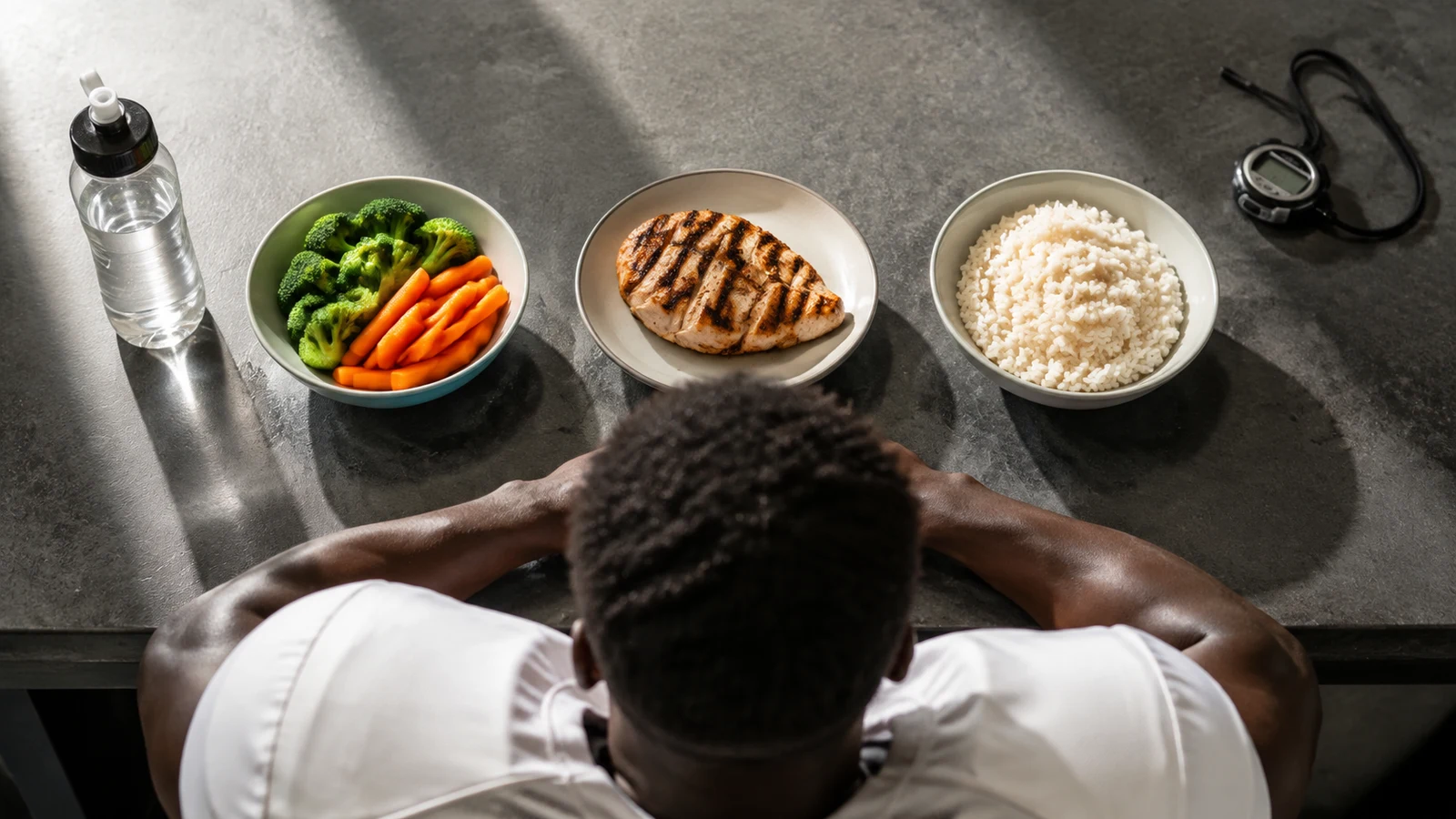
DietFood Order for Athletes: Carbs First or Vegetables and Protein First?
In 14 trained footballers, eating carbohydrate last lowered the early glucose rise but increased hunger and cravings. Later food intake did not change.
 Diet
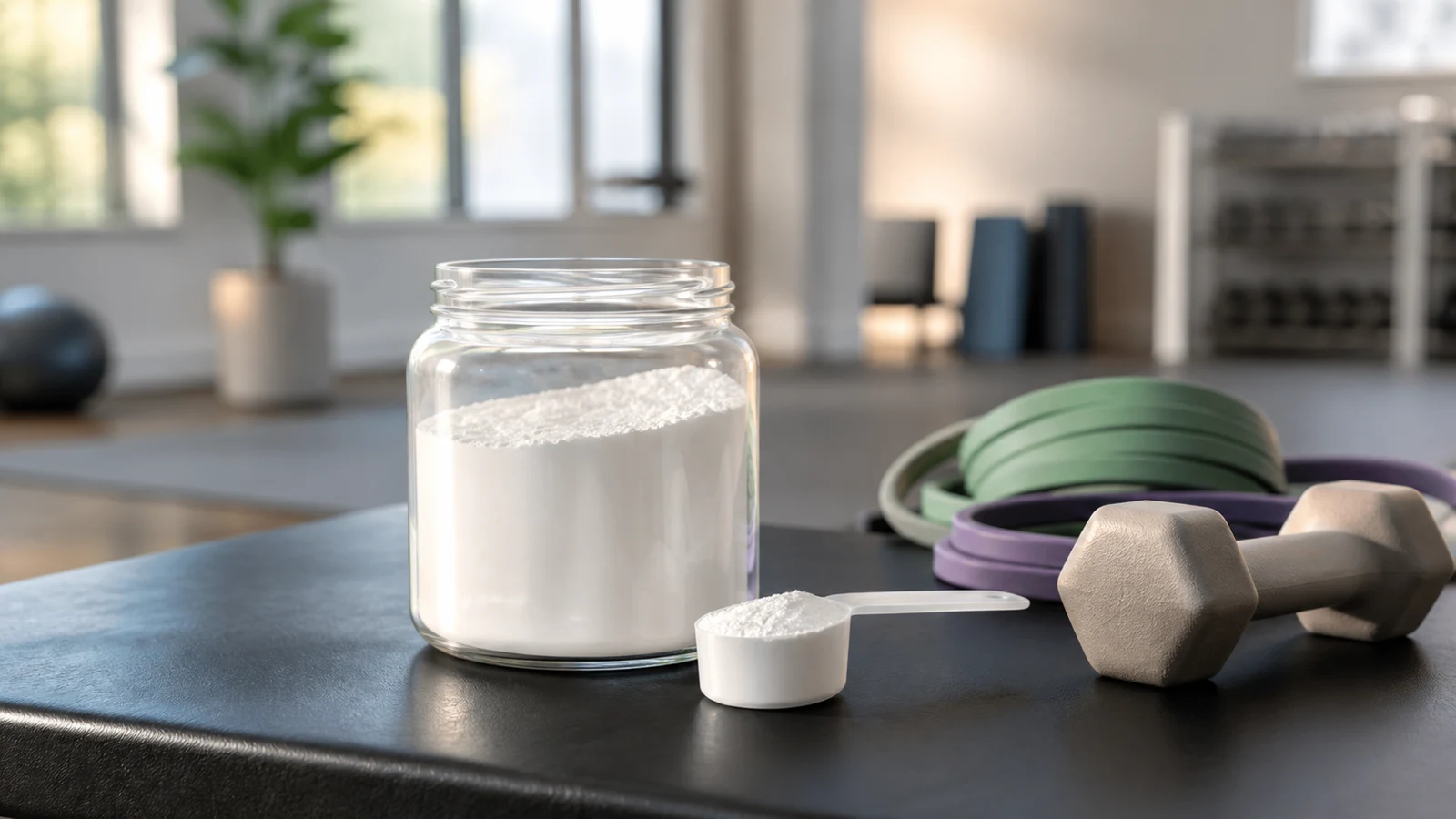
DietCreatine With Resistance Training After 60: Strength, Muscle, and Function Evidence
A 2026 meta-analysis of 11 trials found a modest strength benefit when adults over 60 combined creatine with resistance training, while muscle and function estimates remained uncertain.